
What Neurodiversity Can Teach Us About Better Workplace Design
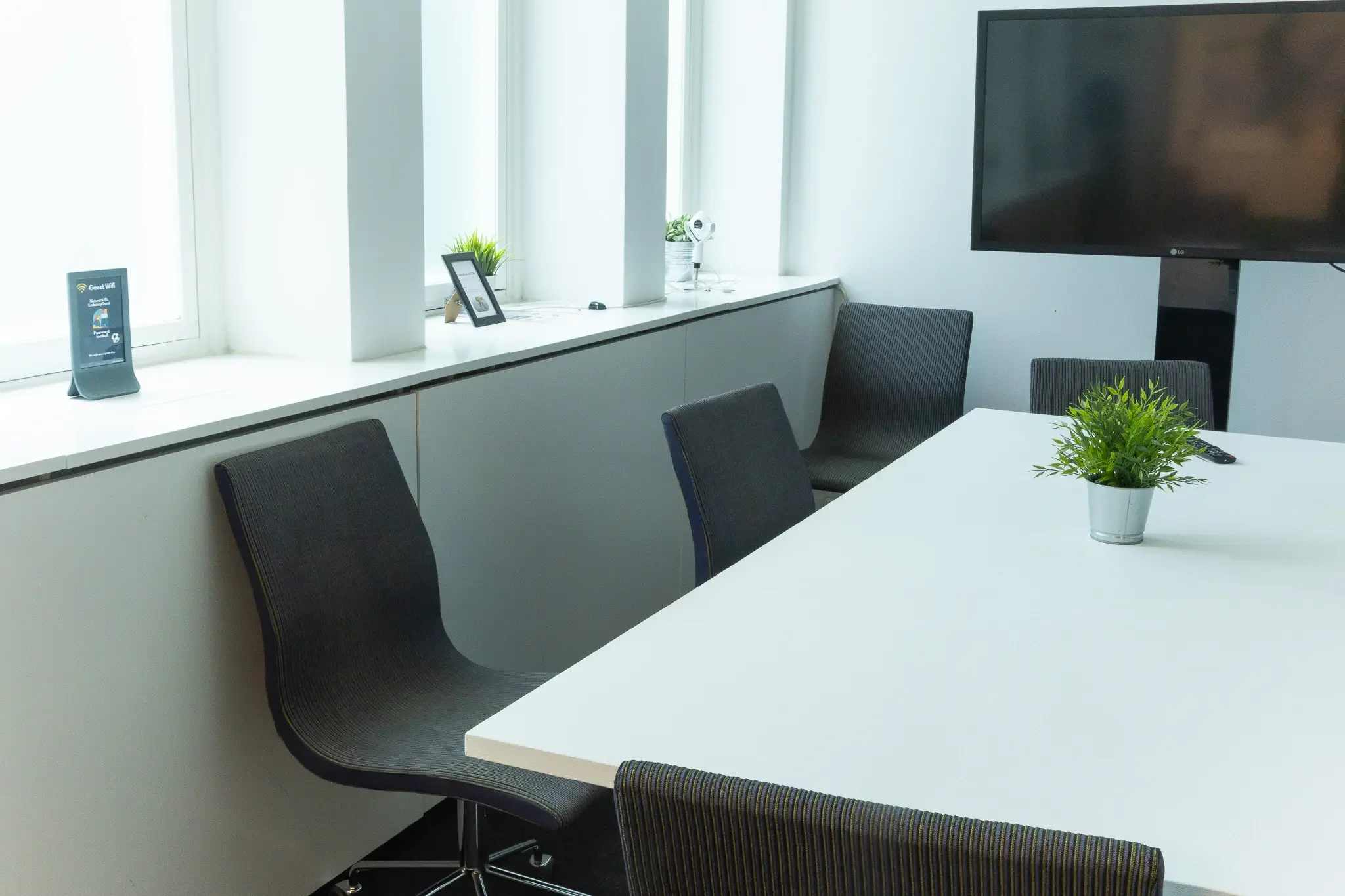
Creating a neuroinclusive workplace isn't about designing a different office for different people. It's about giving people a choice of environments that help them work at their best.
For some, that's a lively coworking space with conversations happening around them. For others, it's somewhere quieter with fewer interruptions and less sensory stimulation.
As awareness of neurodiversity grows, more organisations are recognising that workplace design plays an important role in employee wellbeing, productivity and job satisfaction. The most effective offices don't expect everyone to work in the same way—they provide spaces that support different people, different personalities and different types of work.
What is neurodiversity?
Neurodiversity describes the natural variation in how people think, process information and experience the world. It includes conditions such as ADHD, autism, dyslexia, dyspraxia and Tourette syndrome, but the principles of neuroinclusive workplace design benefit everyone.
Some people thrive in busy, collaborative environments. Others concentrate better with fewer distractions, softer lighting or a quieter place to work.
Rather than treating these differences as exceptions, many organisations are designing offices that offer greater flexibility.
Why workplace design matters
The physical environment has a direct impact on how people work.
Noise levels, lighting, movement, privacy and interruptions all influence concentration. While these factors affect everyone, they can be particularly important for neurodivergent employees.
A workplace designed with flexibility in mind may include:
Quiet work areas for focused tasks
Collaborative spaces for teamwork
Private offices for confidential work
Meeting rooms of different sizes
Phone booths for video calls
Comfortable breakout areas
Access to natural light where possible
Clear layouts that make spaces easy to navigate
These aren't specialist features. They're practical improvements that help create a better experience for a wider range of people.
Quiet spaces aren't just for neurodivergent employees
One common misconception is that quiet workspaces are only useful for people with ADHD or autism.
In reality, everyone experiences different levels of concentration throughout the day.
Preparing a presentation, writing a report, analysing financial data or working towards a deadline often requires uninterrupted focus, regardless of whether someone identifies as neurodivergent.
Providing different types of workspace allows people to choose the environment that best matches the work they're doing.
How Embassy House supports different ways of working
At Embassy House, we've always believed that a workspace should adapt to the people using it—not the other way around.
Alongside collaborative lounges, private offices, meeting rooms and phone booths, we've recently introduced a dedicated open desk area in a quieter section of our Medborgarplatsen coworking space in Stockholm.
The area is intentionally positioned away from the busiest parts of the building and features slightly softer lighting to create a calmer working environment.
It isn't designed exclusively for neurodivergent members. Instead, it's another option available to everyone.
Some members enjoy the energy of an active coworking community.
Others prefer a quieter workspace where they can focus for longer periods without as many distractions.
Both ways of working deserve to be supported.
The future of workplace design
As organisations continue to rethink the workplace, flexibility is becoming about much more than choosing where people work.
It's also about giving people greater control over how they work.
Offering a variety of environments—including collaborative areas, quiet workspaces and private offices—helps create workplaces that are more inclusive, more productive and better suited to today's workforce.
Whether you're a freelancer, startup, growing business or established company, having access to different work settings throughout the day can make a noticeable difference to focus, collaboration and overall wellbeing.
At Embassy House, that's exactly what we're building: flexible coworking spaces in Stockholm where members can choose the environment that helps them do their best work.
Frequently Asked Questions
-
A neuroinclusive workplace is designed to support people with different ways of thinking, processing information and concentrating. Rather than assuming everyone works best in the same environment, it provides a variety of spaces that accommodate different needs and working styles.
-
Office design can support neurodiversity by offering quieter work areas, private offices, meeting rooms, phone booths, clear layouts and spaces with fewer sensory distractions. Giving employees a choice of environments allows them to select the setting that best suits the task they're working on.
-
No. While quieter environments can be especially valuable for some neurodivergent people, many employees benefit from having access to a distraction-free space when they need to focus on complex or detailed work.
-
Yes. Embassy House offers a range of workspace options, including collaborative lounges, private offices, meeting rooms, phone booths and a dedicated quieter open desk area at our Medborgarplatsen location, giving members the flexibility to choose the environment that best suits their work.