
A quick response, a flexible approach and someone who actually picks up the phone. These might sound like basic expectations, but they're increasingly becoming differentiators in how businesses compete.
At Embassy House, visitors to our website can request a callback within 45 seconds. When someone submits a request and receives a phone call less than a minute later, we're often met with surprise.
"That was quick!"
It's a reaction we hear regularly, and it raises an interesting question: when did getting a timely response from a business become unexpected?
Customers today navigate automated support systems, contact forms, ticketing queues and shared inboxes. Technology has made many business processes more efficient, but getting a straightforward answer or speaking to someone who can actually help can sometimes feel surprisingly complicated.
We believe there's considerable value in keeping things simple.
Responsiveness is a business advantage
When someone contacts a business, they're usually looking for something specific: an answer, information, a solution to a problem or help making a decision. How that interaction is handled shapes their impression of the business. A prompt response communicates that someone's time is valued. A thoughtful answer demonstrates that their question has been understood. A willingness to help creates confidence in the relationship.
These details matter particularly during the early stages of a customer relationship, when someone is evaluating their options and deciding who to trust.
At Embassy House, we make responsiveness a priority from the very first interaction. Our 45-second callback offer is one example. While we can't always meet that timeframe, we aim to respond as quickly as possible and make it easy for prospective customers to reach us. We see this as a fundamental part of providing good service.
Flexibility starts with listening
Businesses have different requirements, priorities and ways of working. Their needs also change as they grow, recruit, restructure or explore new opportunities. Yet many service providers rely on predefined packages and standardised processes that leave limited room for individual requirements. There are obvious operational benefits to standardisation, but flexibility can be equally valuable.
At Embassy House, we prefer to start with a conversation. We take the time to understand what a business needs and explore how we can make it work.
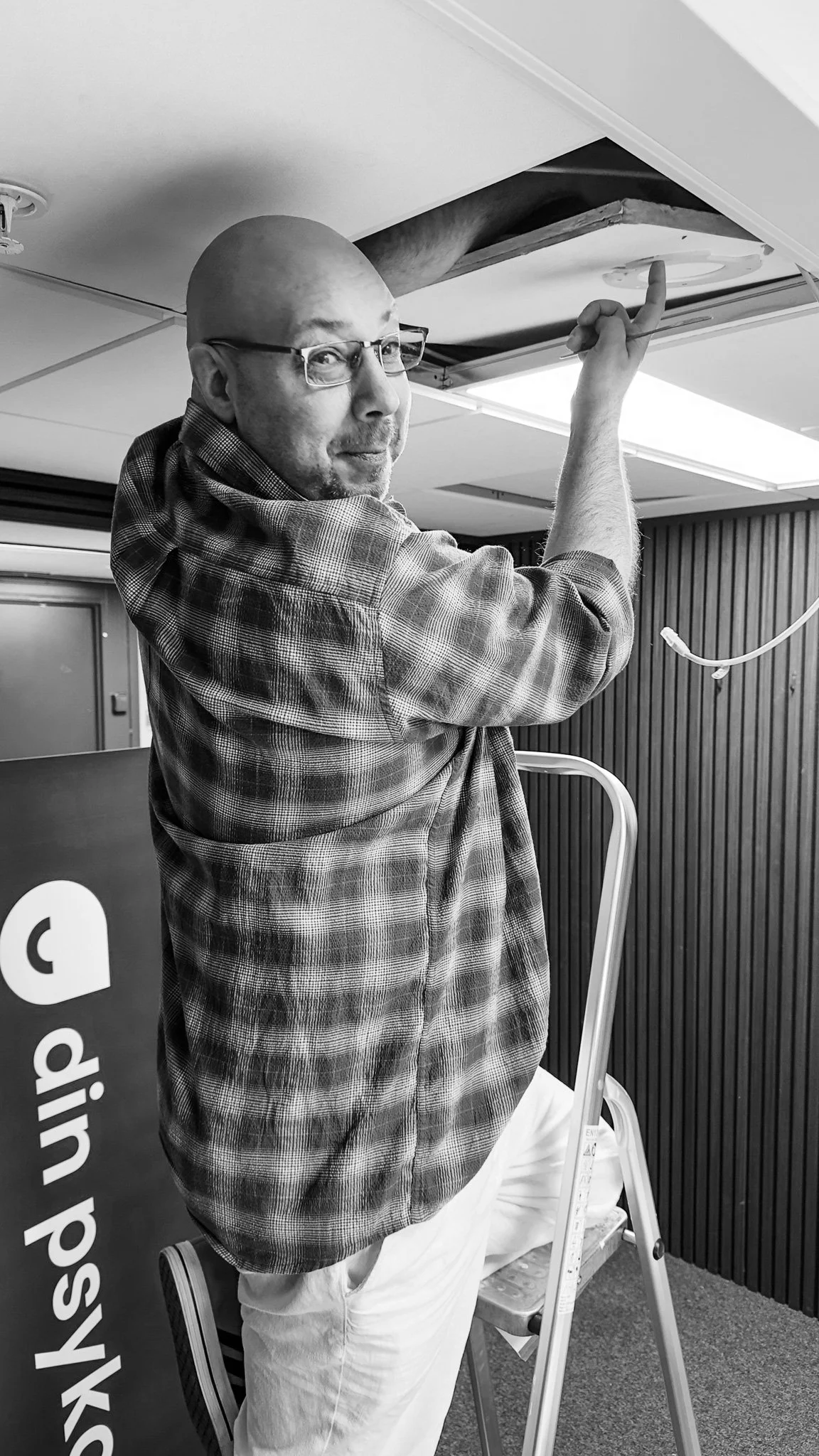
A good example is Din Psykolog, a growing digital healthcare company based at our Medborgarplatsen location. As their team and requirements evolved, we adapted their office layout by connecting two rooms with a sliding door and an internal passage. This gave the team a more connected working environment while retaining the option of privacy when needed.
It was a practical solution designed around how the company actually works.
This is how we approach individual requests more broadly. Whether it involves adapting an office arrangement, finding a different membership solution or putting together a customised setup, we look at the possibilities before proposing a solution. Every arrangement has practical and operational considerations, but an open-minded approach creates opportunities that standard packages can overlook.
Personal service matters more than ever
As businesses increasingly automate customer interactions, the availability of personal support has become an important consideration. Automation can make processes faster and more convenient. It can handle routine requests, organise information and reduce administrative work. But there are situations where a conversation with someone who understands the context makes all the difference.
In coworking and office management, this is particularly apparent.
Some operators run largely self-service spaces, with limited or no staff physically present. At Embassy House, our team is on site at all of our locations, available to assist members with practical questions, operational issues and the everyday things that come with running a business from a shared workspace.
Having people present also means getting to know the businesses and individuals who use the space. Over time, that familiarity makes it easier to anticipate needs, provide relevant assistance and build stronger working relationships.
Elk Audio, a Stockholm-based audio technology company, experienced this when moving from its own traditional office to Embassy House. Their CEO, Justine Reverdell, highlighted the atmosphere and personal connections as some of the most valuable aspects of the experience. She particularly appreciated having a team that takes care of the practicalities, allowing everyone at Elk Audio to focus on their work.
Her observation captures something we value highly: a well-run workspace gives people more time and energy to concentrate on what they do best.
Read the full story: Why Elk Audio Left Its Traditional Office for Embassy House Medborgarplatsen.
Technology should make customer relationships easier to maintain, while leaving room for the human interaction that builds trust.
The relationship exists long after the sale
Winning a new customer is only the beginning of a business relationship. Delivering a consistent experience over time is what builds loyalty. For service providers, this means paying attention to the everyday interactions that shape the customer's experience.
How quickly are questions answered? How are problems handled? How easy is it to get assistance? What happens when circumstances change or a customer needs something outside the original agreement? These are practical questions, but they reveal a great deal about how a business operates.
At Embassy House, we believe the experience after someone signs a contract deserves just as much attention as the experience beforehand. Members should know who to contact, feel comfortable asking for help and have confidence that someone will make an effort to find a solution.
Consistency, accountability and accessibility are what turn good intentions into a reliable service.
Good service is a choice you make every day
Responsiveness, flexibility and personal attention reflect decisions about how a business operates, how its team works and how much importance it places on customer relationships. At Embassy House, these principles influence how we approach everything from the first enquiry to the day-to-day experience of our members.
Our 45-second callback offer, our willingness to customise workspace arrangements and having a team physically present at our location are all expressions of the same philosophy.
We believe that choosing a service provider means choosing the people, processes and support that come with it.
A competitive price and a good product might attract a customer. But the experience of working with a business is what shapes the relationship in the end.
Good customer service starts with listening, follows through with action and shows up consistently in the way a business treats people.